



What Microneedling Actually Is
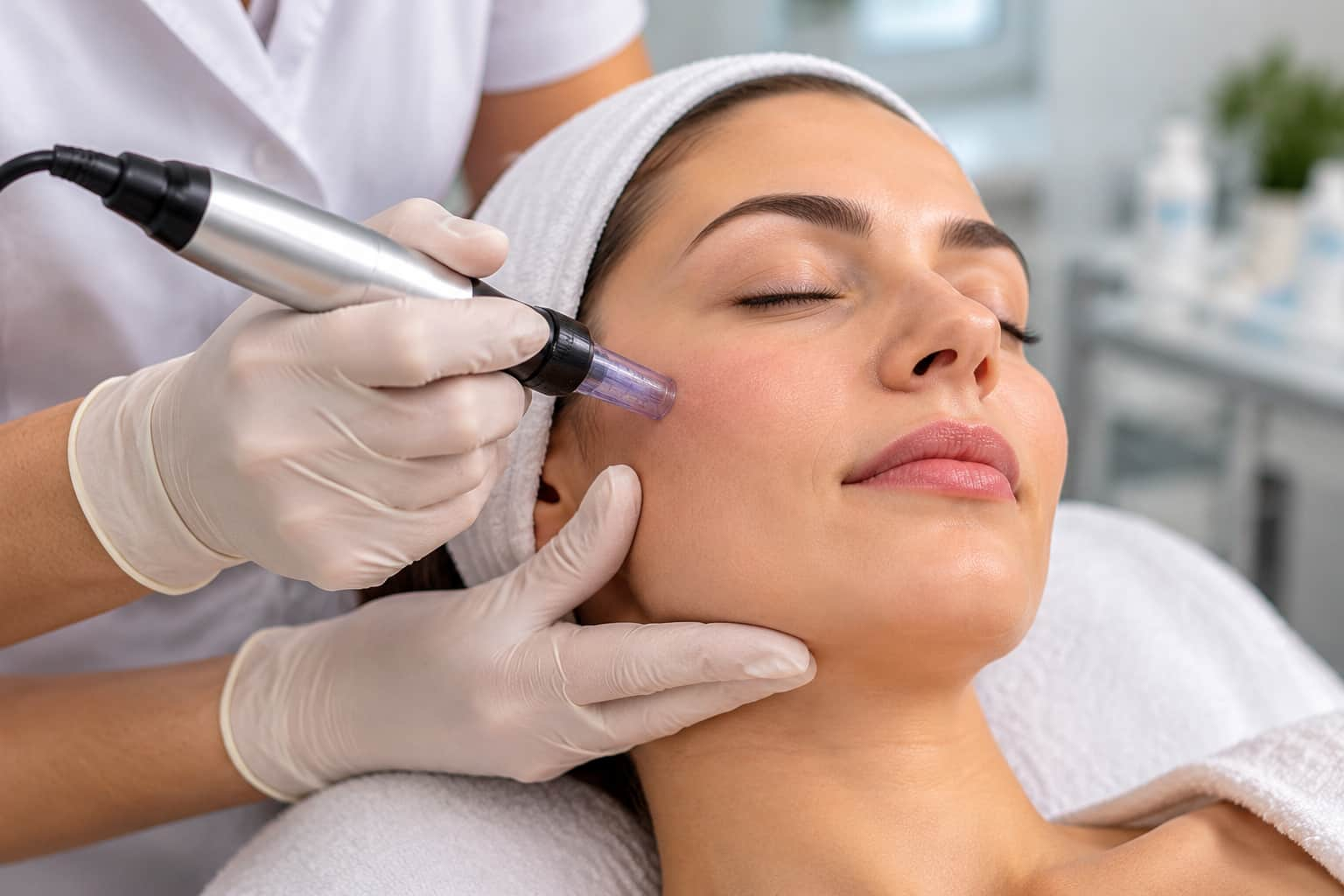
Microneedling, also called collagen induction therapy, is a skin treatment that uses a device with very fine, sterile needles to make tiny, controlled punctures in the skin. These micro-injuries are too small to cause scarring, but they’re enough to switch on the skin’s natural healing response.
As the skin repairs itself, it produces new collagen and elastin, the proteins that keep skin firm, smooth and resilient. Over time, this improves texture, softens scars and fine lines, and gives the skin a healthier, more even look.
How Microneedling Works
The treatment works through three overlapping stages of healing.
| Stage | What happens | Timing |
|---|---|---|
| Inflammation | The skin reacts to the micro-injuries and sends repair signals | First few days |
| Proliferation | Fibroblasts produce new collagen and elastin | Days to weeks |
| Remodelling | New collagen matures and strengthens, improving texture | Weeks to months |
This is why results aren’t instant. The skin keeps remodelling for weeks after each session, and improvements build across a full course. Microneedling can improve the appearance of acne scars, and results tend to appear gradually as the skin produces new collagen (American Academy of Dermatology, 2024).

What Microneedling Can Treat
Microneedling is used for a wide range of skin concerns:
- Acne scars, especially rolling and boxcar scars
- Fine lines and early wrinkles
- Enlarged-looking pores
- Uneven skin texture and roughness
- Dull, tired-looking skin
- Mild pigmentation and uneven tone
- Some surgical scars and stretch marks
It’s particularly valued for acne scarring, which can be difficult to improve with topical skincare alone.
What Microneedling Can’t Do
Microneedling improves the quality and texture of the skin, but it has limits. It won’t:
- Replace lost volume in the cheeks or lips
- Lift sagging skin or jowls significantly
- Relax expression lines caused by muscle movement
- Remove deep, ice-pick scars on its own
For volume loss, dermal fillers are usually more suitable, and anti-wrinkle injections address expression lines. Microneedling often works best as part of a wider plan.
Types of Microneedling Treatment
Not all microneedling is the same. The device and depth make a big difference to results.
| Type | How it works | Typical use |
|---|---|---|
| Professional pen microneedling | Motorised pen with adjustable needle depth, used by a trained practitioner | Texture, scars, fine lines, pores |
| Radiofrequency (RF) microneedling | Needles deliver radiofrequency heat into deeper layers | Firmer tightening, deeper scars, laxity |
| Microneedling with serums | Hyaluronic acid or other serums applied during or after treatment | Extra hydration and glow |
| At-home dermarollers | Short needles on a hand roller | Very superficial, mainly improves product absorption |
Professional pens allow the practitioner to adjust depth for different areas, using shallower settings on thin skin such as around the eyes and deeper settings for scarring on the cheeks.
Professional Microneedling vs At-Home Rollers
This is the difference many people don’t realise. At-home rollers use very short needles, typically well under half a millimetre, mainly to help skincare absorb better. They don’t reach the depth needed for significant collagen remodelling.
Professional treatments use sterile, single-use needle cartridges at adjustable depths, often between 0.5 mm and 2.5 mm depending on the area and concern. Rollers also tear the skin slightly at an angle as they roll, while pens stamp vertically, which is gentler and more precise. Home rollers can also harbour bacteria if not cleaned properly, raising infection risk.
In practice, patients who switch from home rolling to professional treatment are often surprised by the difference in results, especially for acne scarring.
What Happens During a Microneedling Appointment
A typical appointment lasts 45 to 60 minutes, including numbing time.
- Your practitioner reviews your skin, medical history and goals.
- The skin is thoroughly cleansed.
- Numbing cream is applied for around 20 to 30 minutes.
- A serum, often hyaluronic acid, is applied to help the device glide.
- The microneedling pen is passed over the skin in sections at the chosen depth.
- A soothing serum or mask is applied afterward.
Most patients describe the sensation as light scratching or vibration, with slightly more sensitivity over bony areas like the forehead and jawline.
Microneedling Recovery and Downtime
Recovery is usually quick, though it depends on depth and skin type.
| Time after treatment | What’s normal |
|---|---|
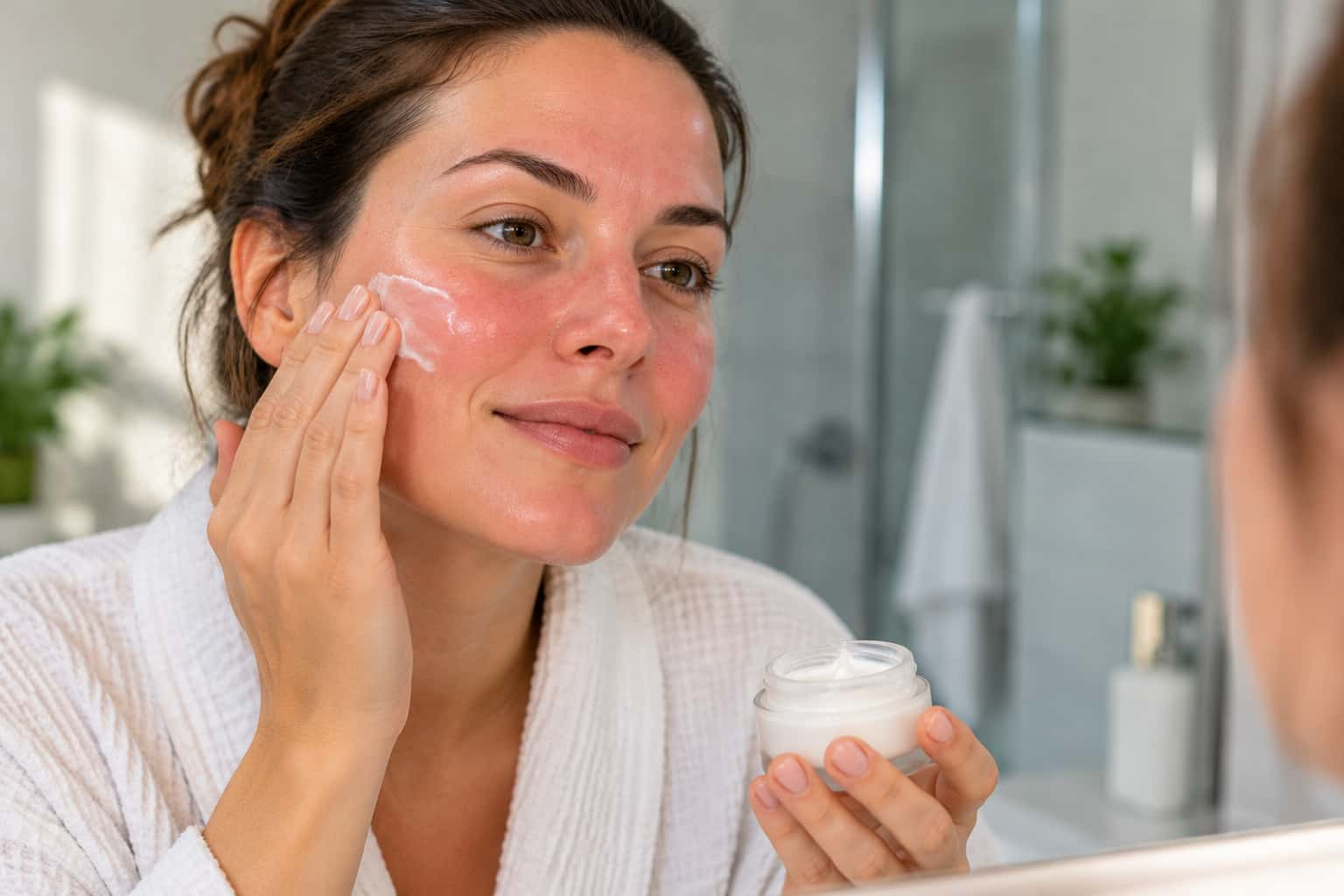
| Same day | Redness similar to a mild sunburn, warmth, tightness |
| Days 1 to 3 | Redness fading, mild dryness or flaking |
| Days 3 to 7 | Skin looks fresher, some light peeling possible |
| Weeks 4 to 12 | Collagen remodelling continues, texture improves |
Most people return to work the next day, often with light makeup after 24 hours.
How Many Sessions Do You Need?
Most people need a course of treatment rather than a single session.
- Glow and mild texture: Often 3 sessions
- Fine lines and pores: Often 3 to 4 sessions
- Acne scarring: Often 4 to 6 sessions or more
Sessions are usually spaced about four to six weeks apart, giving the skin time to complete its healing cycle. Our guide on how often you should get microneedling explains schedules by concern and skin type in more detail.
Who Is a Good Candidate?
Microneedling suits many adults who want to improve skin quality, including:
- People with mild to moderate acne scarring
- Those noticing early fine lines or loss of firmness
- Anyone with enlarged pores or rough texture
- People with dull skin who want a fresher look
Microneedling is generally considered suitable for many skin tones, since it doesn’t rely on heat or light in the way some laser treatments do. This can make it a useful option for darker skin types, though careful depth selection and aftercare still matter to reduce the risk of pigmentation changes.
Who Should Avoid Microneedling
Treatment is usually avoided or postponed if you:
- Have active acne, cold sores, eczema or infection in the area
- Are pregnant or breastfeeding
- Have a history of keloid scarring
- Have recently taken isotretinoin, depending on your doctor’s advice
- Have certain bleeding disorders or take medicines that affect healing
- Have a recent sunburn or tan in the treatment area
Your practitioner should take a full medical history before treatment.
Side Effects and Risks
Microneedling is generally well tolerated, but side effects can include:
- Redness, swelling and tenderness for one to three days
- Dryness, flaking or mild peeling
- Small pinpoint bleeding during treatment
- Temporary breakouts in some people
- Rarely, infection, pigmentation changes or skin irritation
Risks increase when treatment is done with unsterile equipment, at excessive depth, or on unsuitable skin. This is one of the main reasons professional treatment is safer than DIY rolling at deeper settings.
Microneedling Aftercare
Good aftercare protects results and reduces side effects:
- Avoid makeup for at least 24 hours
- Use only gentle, fragrance-free products for a few days
- Avoid retinol, acids and exfoliants for around five to seven days
- Wear SPF daily, since treated skin is more sensitive to sun
- Avoid saunas, swimming and intense exercise for 24 to 48 hours
- Don’t pick at flaking skin
How Microneedling Compares to Other Treatments
| Treatment | Main focus | Downtime |
|---|---|---|
| Microneedling | Collagen stimulation, texture, scars | 1 to 3 days of redness |
| Dermaplaning | Surface exfoliation, smoothness, removing fine facial hair | None |
| Chemical peels | Exfoliation, tone, pigmentation | None to 7 days depending on depth |
| Skin boosters | Hydration, glow, elasticity | 24 to 48 hours of small bumps |
We compare microneedling and dermaplaning in detail in our guide to microneedling vs dermaplaning.
Combining Microneedling with Other Treatments
Microneedling works well as part of a wider treatment plan.
- With skin boosters: Microneedling improves texture while boosters add deep hydration. Our guide to what skin boosters are explains how they work.
- With dermal fillers: Fillers restore volume, while microneedling improves the skin surface. Our dermal filler treatments in South Kensington are often planned alongside skin quality treatments.
- With anti-wrinkle injections: These soften expression lines, while microneedling targets texture and fine lines. Our anti-wrinkle treatment in South Kensington pairs well with a microneedling course.
Treatments are usually spaced apart rather than done on the same day in the same area.
Common Myths About Microneedling
- “It causes scarring.” Correctly performed microneedling creates controlled micro-injuries that heal without scarring.
- “Results are instant.” Improvements build over weeks and months.
- “Home rollers give the same results.” They work far more superficially and carry higher hygiene risks.
- “It’s only for acne scars.” It also helps fine lines, pores, texture and dull skin.
How to Prepare for Microneedling
- Avoid retinol and exfoliating acids for a few days beforehand
- Avoid sun exposure and tanning for at least a week
- Don’t book within two weeks of a major event
- Arrive with clean skin, without makeup if possible
- Tell your practitioner about medicines, allergies and recent treatments
Microneedling for Different Areas of the Body
Microneedling isn’t limited to the face. Practitioners often treat:
| Area | Common reason |
|---|---|
| Cheeks | Acne scars, enlarged pores, texture |
| Forehead | Fine lines, uneven texture, using shallower depths |
| Around the eyes | Crepey skin and fine lines, with very conservative depth |
| Neck | Crepey texture and horizontal lines |
| Décolletage | Sun damage and fine lines |
| Hands | Thin, crepey skin |
| Body | Stretch marks and some surgical scars |
Each area needs a different depth, since skin thickness varies across the face and body.
Microneedling with Hyaluronic Acid and Other Serums
During treatment, the tiny channels created by the needles allow serums to reach deeper than they would on intact skin. Practitioners commonly use hyaluronic acid to boost hydration and reduce post-treatment tightness.
Only sterile products designed for use during microneedling should be applied. Ordinary skincare products, fragrances and some active ingredients can irritate the skin or cause reactions when pushed deeper through open channels. This is another reason professional treatment is safer than combining home rollers with regular skincare.
What Results to Realistically Expect
Microneedling gives gradual, natural-looking improvement rather than dramatic overnight change. After a full course, most people notice smoother texture, softer fine lines, more refined pores and a brighter tone. Acne scars usually look shallower and less noticeable, though deep scars rarely disappear completely.
Results vary with age, skin type, scar type and how consistently aftercare and maintenance are followed. A good practitioner will set realistic expectations at consultation.
Microneedling and Pigmentation
Microneedling can help improve mild uneven tone and some types of pigmentation by encouraging healthy skin turnover. However, it isn’t a standalone treatment for melasma or deep pigmentation, and aggressive treatment can sometimes trigger post-inflammatory darkening, especially in darker skin tones or sun-exposed skin.
For pigmentation concerns, practitioners often use conservative depths, strict SPF aftercare and sometimes combine microneedling with targeted skincare or other treatments. A proper skin assessment helps decide whether microneedling is the right first step.
How Much Does Microneedling Cost in London?
Prices depend on the clinic, device, depth, treatment area and whether serums or radiofrequency are included. Courses are usually priced as a package, which often works out cheaper than paying per session. Radiofrequency microneedling generally costs more than standard pen microneedling. When comparing clinics, check what’s included, such as numbing, serums, aftercare products and review appointments.
How Long Do Microneedling Results Last?
Collagen built during a full course can keep improving the skin for several months after the final session. Most people maintain results with a session every three to six months, since natural collagen continues to decline with age.
Choosing the Right Clinic for Microneedling
Results depend on the practitioner’s skill, device and hygiene standards. Look for:
- A registered and trained practitioner
- Medical-grade devices with sterile, single-use needle cartridges
- A skin assessment before treatment
- Clear explanation of depth, sessions and expected results
- Written aftercare and follow-up
Frequently Asked Questions
What is microneedling good for? Microneedling helps acne scars, fine lines, enlarged pores, uneven texture and dull skin by stimulating collagen and elastin production.
Does microneedling hurt? Numbing cream keeps it comfortable. Most people feel light scratching or vibration, with slightly more sensitivity over bony areas.
How long is the downtime after microneedling? Most people have redness for one to three days, similar to a mild sunburn, and return to work the next day.
How many microneedling sessions do I need? Usually 3 to 6 sessions, spaced about four to six weeks apart, depending on your skin concern.
When will I see results? Some glow appears within a week, but texture and scar improvements build over several months as collagen remodels.
Is microneedling safe for darker skin? It’s often considered suitable for many skin tones because it doesn’t rely on heat or light, but depth and aftercare must be chosen carefully.
Are at-home dermarollers worth it? They mainly improve product absorption. They don’t reach the depth of professional treatment and carry higher infection risk if not cleaned properly.