


What Skin Boosters Actually Are
Skin boosters are injectable treatments designed to improve the quality of the skin itself rather than the structure of the face. They’re placed just under the surface of the skin in small amounts, where they hydrate, improve elasticity and support the skin’s natural repair processes. The result is skin that looks smoother, brighter and more even, often described as a natural glow.
Unlike dermal fillers, skin boosters don’t add volume, lift cheeks or define the jawline. They work across a wider area at a shallower depth, spreading through the skin to improve how it looks and feels.
How Skin Boosters Work
Most skin boosters are based on hyaluronic acid, a molecule the skin already produces to hold onto water. Natural hyaluronic acid levels fall with age, sun exposure and lifestyle factors, which contributes to dryness, fine lines and loss of bounce.
Skin boosters replenish this hydration directly in the skin. Because the hyaluronic acid in most boosters is lightly cross-linked or not cross-linked at all, it spreads easily rather than staying in one spot like a filler. Many products also stimulate fibroblasts, the cells responsible for producing collagen and elastin, which helps improve firmness gradually over the following weeks.
Our guide to hyaluronic acid fillers explained covers cross-linking in more detail, which is the main technical difference between fillers and most skin boosters.

The Main Types of Skin Boosters
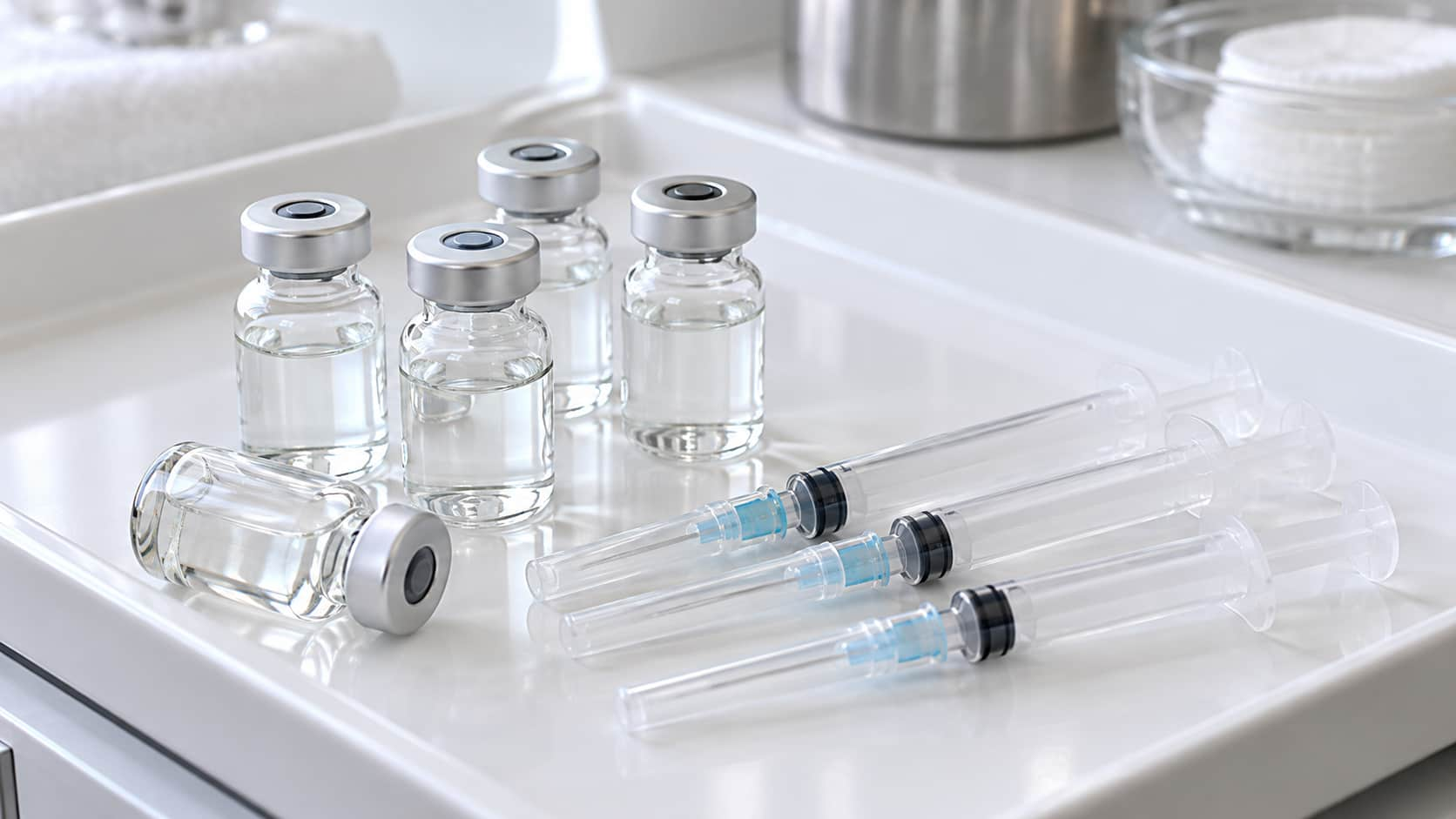
This is where most guides oversimplify. Skin boosters aren’t one product. They fall into several groups, each working in a slightly different way.
| Type | What it contains | How it works | Example products |
|---|---|---|---|
| Pure hyaluronic acid boosters | Lightly or non-cross-linked hyaluronic acid | Deep hydration and improved texture | Restylane Skinboosters, Juvederm Volite |
| Hybrid hyaluronic acid | High and low weight hyaluronic acid together | Hydration plus collagen and elastin stimulation, spreads widely | Profhilo |
| Enriched hyaluronic acid | Hyaluronic acid with amino acids, antioxidants, vitamins and minerals | Hydration plus nutrients that support skin health and radiance | Teoxane Redensity 1, used in babyGLOW |
| Polynucleotides | Purified DNA fragments, often from salmon | Supports tissue repair, healing and regeneration | Plinest |
Teoxane has reintroduced its Redensity 1 product under the babyGLOW name, using a different injection protocol designed to spread the product evenly for a radiant finish (Get The Gloss, 2025). We compare the three most requested options in our guide to Profhilo vs babyGLOW vs Plinest.
What Skin Boosters Can Help With
Skin boosters are best for improving the quality and condition of the skin. Common reasons patients book them include:
- Dull, tired-looking or dehydrated skin
- Fine lines, especially around the eyes, cheeks and mouth
- Loss of elasticity or early crepey texture
- Uneven skin texture and enlarged-looking pores
- Mild acne scarring
- Skin that looks lacklustre after illness, stress or long-haul travel
They can also be used on the neck, décolletage and backs of the hands, areas that often show signs of ageing but aren’t suitable for filler.
What Skin Boosters Can’t Do
Being clear about limits avoids disappointment. Skin boosters won’t:
- Lift sagging cheeks or jowls
- Replace lost facial volume
- Fill deep folds or hollows
- Define the jawline or chin
- Relax expression lines caused by muscle movement
For these concerns, dermal fillers or anti-wrinkle injections are usually more suitable, sometimes alongside skin boosters. Our guide to what dermal fillers are explains how volume treatments differ.
Who Is a Good Candidate for Skin Boosters?
Skin boosters suit a wide range of people because they improve skin quality without changing features.
- People in their late twenties and thirties who want to maintain hydration and prevent early lines
- People in their forties and fifties noticing dryness, crepiness or loss of glow
- Anyone who wants subtle improvement without looking “done”
- Patients already having fillers or anti-wrinkle injections who want better overall skin quality
In practice, many first-time aesthetic patients start with skin boosters because the results look fresh and natural, and there’s no change to facial shape.
Skin Boosters for Different Skin Types
Skin boosters can suit most skin types, but the goal and product choice vary.
- Dry or dehydrated skin: Usually responds well, since hydration is the main benefit.
- Oily or combination skin: Boosters don’t add oil, and some patients find their skin looks more balanced as hydration improves.
- Acne-prone skin: Treatment is avoided over active breakouts, but boosters can help with mild scarring once skin is calm.
- Sensitive skin: A patch of redness after treatment can last a little longer, so gentle aftercare matters.
- Mature skin: Often benefits most from products that also stimulate collagen and elastin.
- All skin tones: Skin boosters don’t rely on light or heat, so they’re suitable across skin tones without the pigmentation risk some laser treatments carry.
Skin Boosters for Different Areas
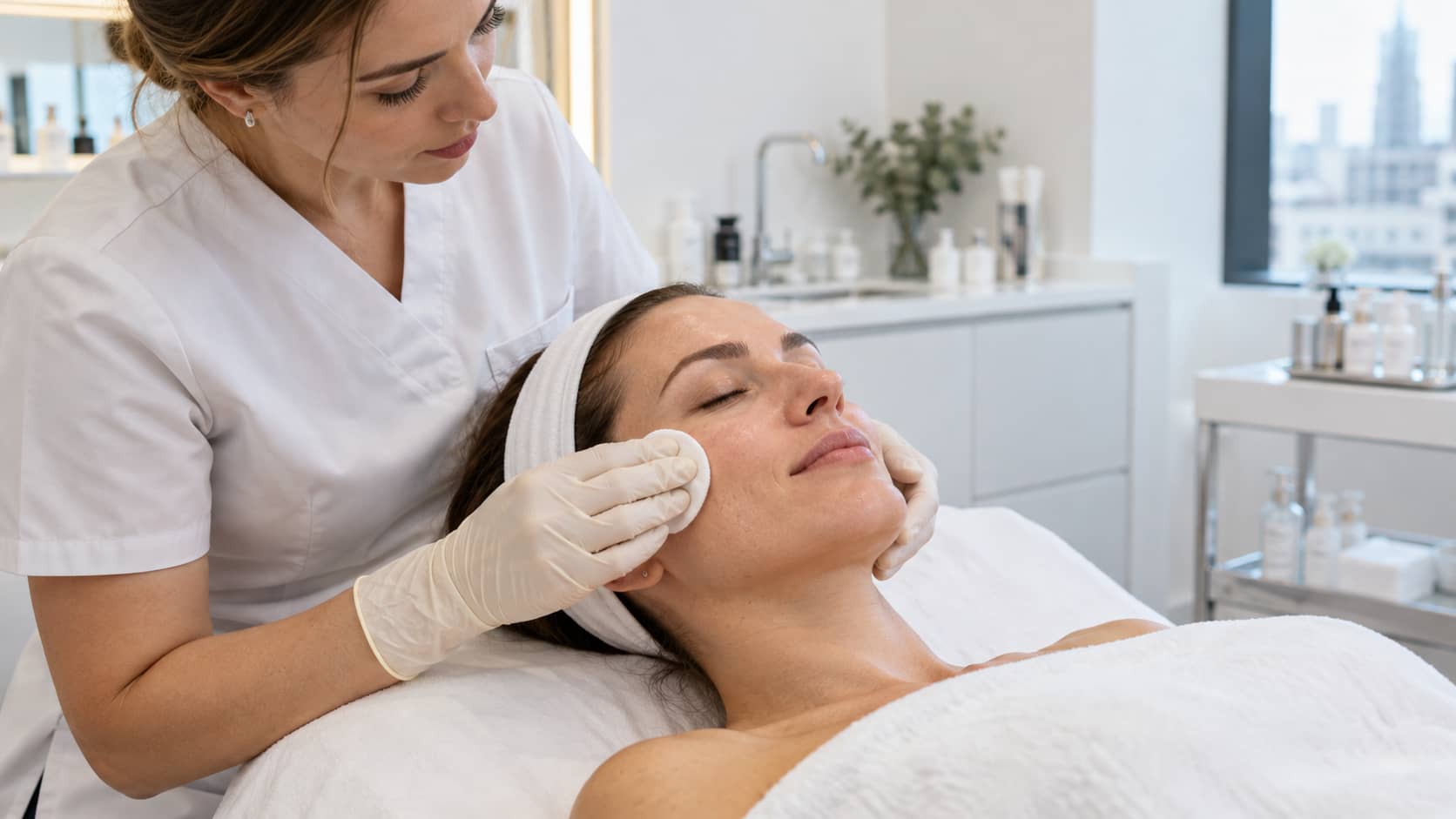
Skin boosters aren’t limited to the face. Common treatment areas include:
| Area | Common concern |
|---|---|
| Cheeks and mid-face | Dullness, dehydration, fine lines |
| Under-eye area | Crepey skin and fine lines, using products designed for this delicate area |
| Neck | Crepey texture, horizontal lines, loss of firmness |
| Décolletage | Sun damage, fine lines, crepey skin |
| Backs of the hands | Thin, crepey skin and visible tendons |
The neck and hands often show signs of ageing before the face, so many patients treat them alongside facial sessions.
How to Prepare for Your Appointment
A little preparation helps reduce bruising and makes the appointment smoother.
- Avoid alcohol for 24 hours beforehand
- Avoid blood-thinning supplements such as fish oil and high-dose vitamin E for a few days, unless medically required
- Don’t book within two weeks of a big event, in case of small bruises
- Arrive without makeup if possible
- Tell your practitioner about any medicines, allergies or recent treatments
Who Should Avoid Skin Boosters
Treatment is generally avoided if you:
- Are pregnant or breastfeeding
- Have an active skin infection, cold sore or inflammation in the treatment area
- Have a known allergy to any ingredient, including fish proteins for salmon-derived polynucleotides
- Have certain autoimmune conditions or take medicines that affect healing, unless your doctor agrees
Your practitioner should take a full medical history before recommending treatment.
What Happens During a Skin Booster Appointment
Most appointments take 30 to 45 minutes, including numbing time.
- Your practitioner reviews your skin concerns, medical history and goals.
- The skin is cleansed and a numbing cream may be applied.
- Small amounts of product are injected at set points or in a grid pattern, depending on the product.
- Some products spread on their own, while others are placed more evenly across the area.
- The skin is cleaned and you can usually return to normal activities straight away.
Different products use different injection techniques. Profhilo, for example, uses a small number of set points on each side of the face, while other boosters use many tiny injections across the area.
How Many Sessions Will You Need?
Skin boosters usually work best as a course rather than a single treatment.
| Treatment stage | Typical approach |
|---|---|
| Initial course | 2 to 3 sessions, about 4 weeks apart |
| Results appear | Gradually over 4 to 8 weeks |
| Maintenance | Every 4 to 6 months, depending on the product and your skin |
The exact protocol depends on the product and your skin condition. Drier or more mature skin may benefit from a longer initial course.
Results Timeline
Skin boosters improve skin gradually rather than instantly.
- First few days: Small bumps at injection points settle, usually within 24 to 48 hours.
- 1 to 2 weeks: Skin often looks more hydrated and dewy.
- 4 to 8 weeks: Improvements in texture, elasticity and fine lines become clearer, especially after the second session.
- After the full course: Results are at their best and typically last around 4 to 6 months.
Taking photos before your first session helps you see the change, since improvement happens gradually.
Side Effects and Recovery
Skin boosters are generally well tolerated, with minimal downtime. Common, temporary side effects include:
- Small raised bumps at injection points, settling within a day or two
- Mild redness and swelling
- Tenderness at the injection sites
- Occasional small bruises
More serious complications are rare when treatment is given by a trained practitioner in a clinical setting. Infection, allergic reactions and lumps are uncommon but possible with any injectable treatment, which is why proper technique and hygiene matter.
Aftercare for Skin Boosters
Aftercare is simple and similar to other injectable treatments:
- Avoid makeup for 12 to 24 hours
- Don’t touch, rub or massage the treated area
- Skip strenuous exercise, saunas and alcohol for 24 hours
- Avoid facials, peels and laser treatments for about two weeks
- Wear SPF daily to protect your results
- Keep skin well hydrated with a gentle moisturiser
Skin Boosters vs Dermal Fillers at a Glance
| Skin boosters | Dermal fillers | |
|---|---|---|
| Goal | Improve skin quality, hydration and glow | Add volume, lift and structure |
| Hyaluronic acid | Lightly or non-cross-linked | More cross-linked |
| Depth | Superficial, spread across the skin | Deeper, placed in specific areas |
| Changes facial shape | No | Yes |
| Typical sessions | 2 to 3 initially | Usually 1 per area |
| Typical duration | 4 to 6 months | 6 to 18 months depending on area |
We cover this comparison in more detail in our guide on skin boosters vs dermal fillers.
Combining Skin Boosters with Other Treatments
Skin boosters work well alongside other treatments because they improve the skin while other treatments address structure and movement.
- With dermal fillers: Fillers restore volume, while skin boosters improve the surface of the skin. Our dermal filler treatments in South Kensington are often planned alongside skin quality treatments.
- With anti-wrinkle injections: Anti-wrinkle injections soften expression lines, while skin boosters improve fine lines and texture. Our anti-wrinkle treatment in South Kensington pairs well with a skin booster course.
- With skincare: A good routine with SPF and gentle actives helps maintain results between sessions.
When combining treatments, your practitioner will plan the order and spacing so each treatment can settle properly.
How Much Do Skin Boosters Cost in London?
Prices vary depending on the product, the number of sessions and the clinic. Branded products like Profhilo and babyGLOW are usually priced per session, often with a reduced price for a course. One London clinic, for example, charges £550 per babyGLOW session (Get The Gloss, 2025). Ask whether a quote is per session or per course, and whether it includes a review.
Common Myths About Skin Boosters
- “Skin boosters make your face look puffy.” They don’t add volume, so your features stay the same.
- “One session is enough.” Most products work best as a course of two or three sessions.
- “They’re only for older skin.” Many people start in their late twenties or thirties to maintain hydration.
- “They’re the same as fillers.” They use different formulations, placement and goals.
How to Make Skin Booster Results Last Longer
A few habits help protect your results between sessions:
- Wear broad-spectrum SPF every day, even in winter
- Keep a simple routine with a gentle cleanser and hydrating moisturiser
- Limit smoking and heavy alcohol, which both affect skin quality
- Book maintenance sessions before results fully fade
- Protect skin during long-haul flights with extra moisturiser
Choosing the Right Clinic for Skin Boosters
Because skin boosters are injectable medical treatments, practitioner choice matters. Look for:
- A practitioner registered with the GMC, NMC or GDC
- A consultation that assesses your skin before recommending a product
- Clear explanation of which product is being used and why
- Genuine products, with the box and batch details available on request
- Written aftercare and a follow-up plan
Frequently Asked Questions
What is the difference between skin boosters and fillers? Skin boosters improve hydration and skin quality without changing facial shape. Fillers add volume and structure to specific areas.
How long do skin booster results last? Results usually last around 4 to 6 months after a full course, with maintenance sessions every few months.
How many skin booster sessions do I need? Most people need 2 to 3 sessions about 4 weeks apart for the best results.
Do skin boosters hurt? Most people feel mild stinging or pressure. Numbing cream is often used to keep the treatment comfortable.
Is there downtime after skin boosters? Downtime is minimal. Small bumps and redness usually settle within 24 to 48 hours.
What age should you start skin boosters? Many people start in their late twenties or thirties to maintain hydration, but skin boosters can benefit adults of any age with dull or dehydrated skin.
Can skin boosters be used on the neck and hands? Yes, many skin boosters are used on the neck, décolletage and backs of the hands as well as the face.